




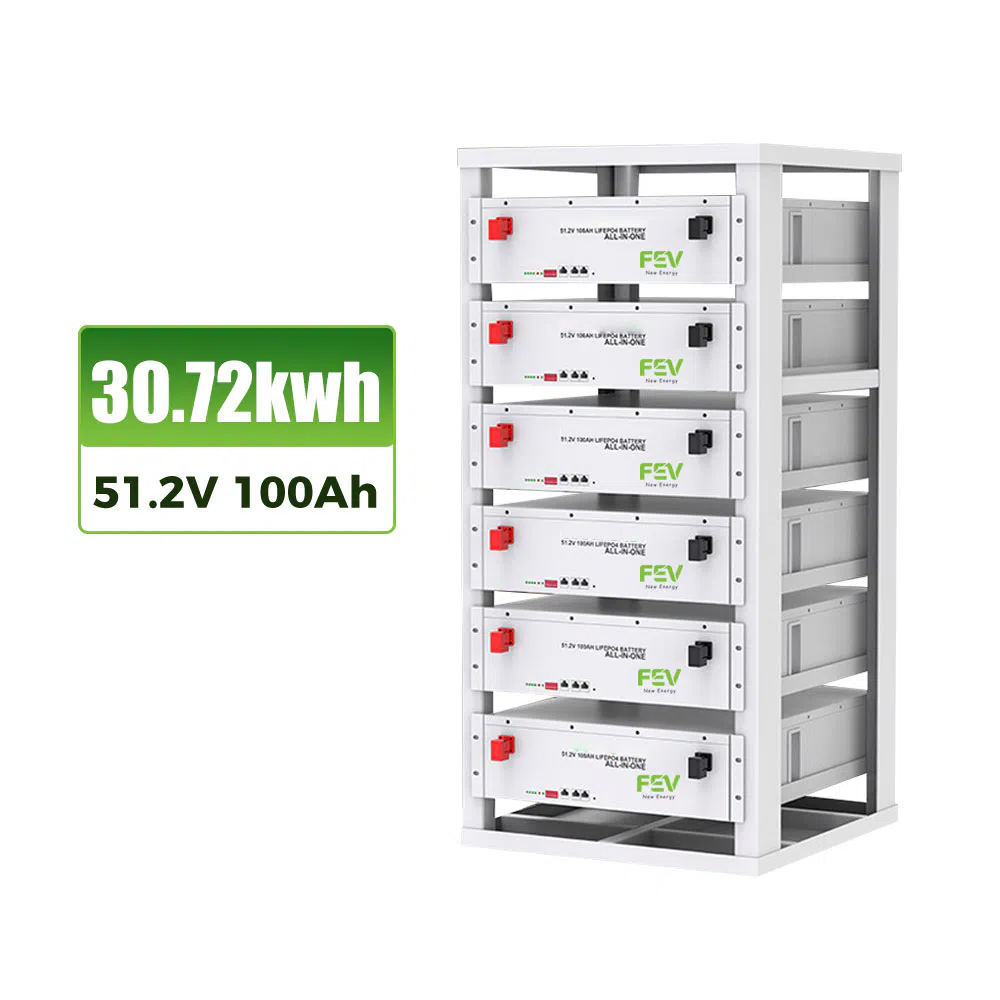
Product Introduction
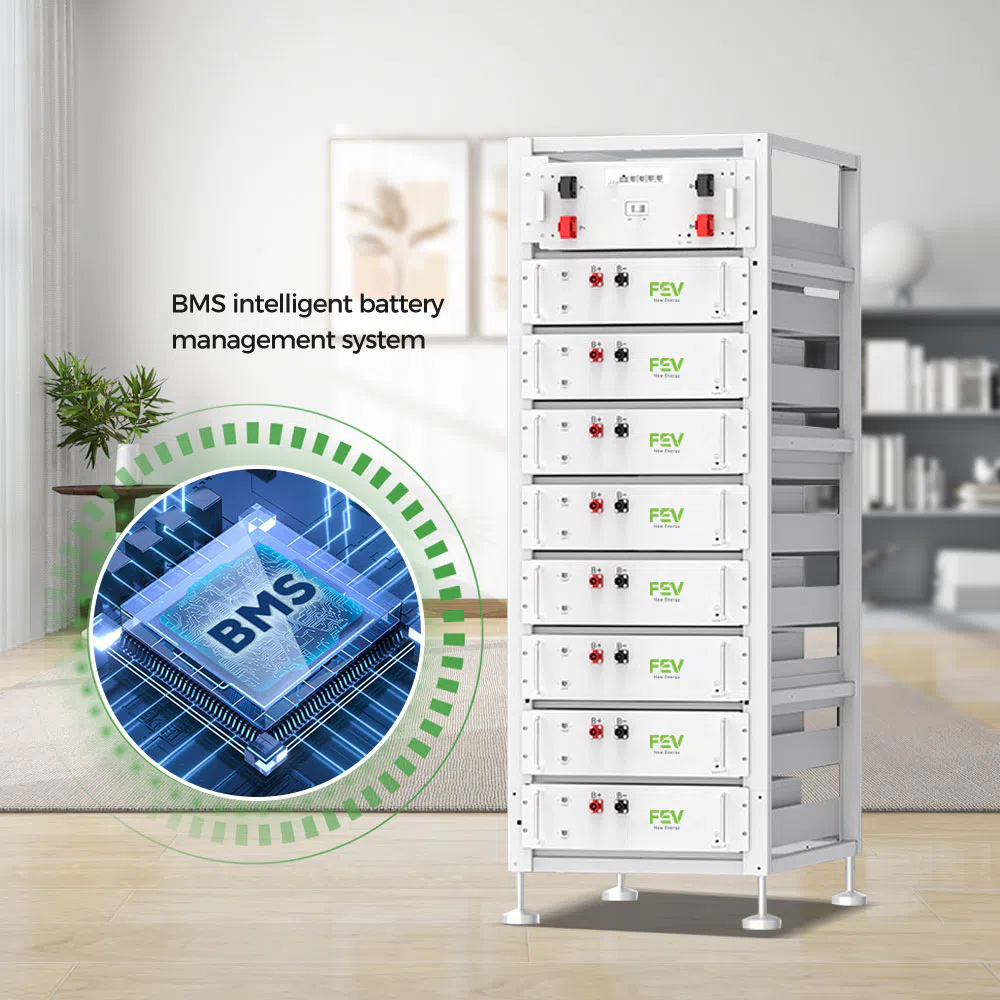
This safe rack‑mounted LiFePO4 battery system delivers modular rack‑based energy storage built for mission‑critical commercial infrastructure. Following global 19‑inch rack mechanical specifications, the unit integrates rigorously screened LiFePO4 storage cells alongside on‑board BMS electronics for continuous cell oversight. Multi‑unit parallel configurations are achievable, while CAN and RS485 data interfaces enable interoperability with diverse power conversion hardware. This rack‑mounted battery system fits photovoltaic storage deployments, UPS emergency standby setups, data centre backup infrastructure, telecom tower power reserves, islanded micro‑grid frameworks and commercial load‑management initiatives. Prioritising operational safety alongside hands‑off servicing and long‑term cyclic durability, it represents a practical modular storage building block for EPC firms, system integrators and commercial project specifiers.
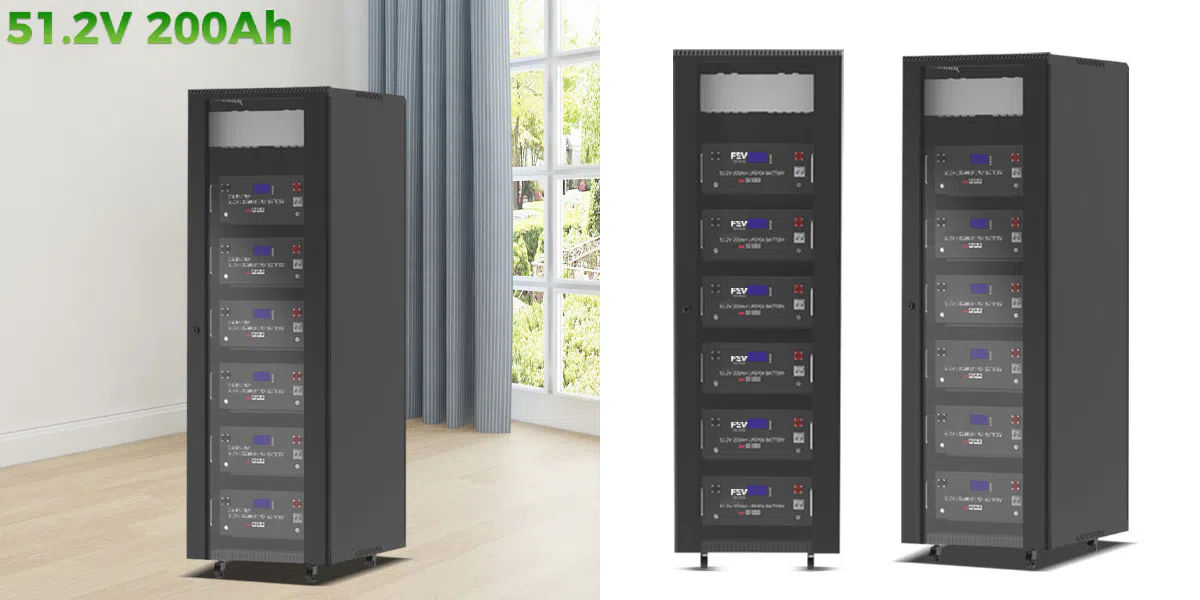
Product Advantages
Industry‑standard 19‑inch Rack Form‑factor Eases Hardware Integration
Built to universally accepted 19‑inch rack dimensions, this battery system mates seamlessly with widely deployed server enclosures, power inverters and UPS hardware available across global markets. Uniform mounting benchmarks simplify cabinet layout planning and cut custom‑work requirements during system assembly. Real‑world deployment snapshot: When carrying out mid‑size commercial solar‑storage roll‑outs and server‑room power‑safety retrofits, installation crews skip bespoke bracket fabrication and cabinet modification. Modules drop straight into existing rack bays, accelerating site completion and delivering tidy, well‑organised cabling for complete storage assemblies.
Expandable Parallel Architecture Supports Incremental System Build‑out
Individual rack‑mounted battery units can be electrically paralleled to boost aggregate power and energy ratings. Facility operators may deploy a modest initial setup sized for present‑day load profiles and add further battery hardware as site energy demands rise, eliminating overblown upfront capital spend and idle storage assets. Real‑world deployment snapshot: Office compounds, retail outlets and production facilities frequently phase their energy‑storage roll‑outs. Teams commission two to four battery units to satisfy baseline peak‑shifting and emergency standby requirements. As business activity expands and consumption grows, additional modules join the existing array without discarding already‑installed hardware, optimising overall project capital outlay.
Storage‑grade LiFePO4 Cells Deliver Resilient Cyclic Performance
Purpose‑selected LiFePO4 cells engineered for repeated commercial‑grade cycling achieve upwards of 6000 deep charge‑discharge events with restrained capacity degradation. Compared against legacy lead‑acid storage solutions, usable service life multiplies three‑to‑six‑fold, suiting uninterrupted daily cycling within commercial energy‑storage deployments. Real‑world deployment snapshot: Within rural off‑grid power networks and industrial‑park peak‑valley arbitrage schemes, conventional lead‑acid units demand full replacement every 1.5‑2 years. This rack‑mounted battery system sustains stable performance beyond ten years, lowering recurring hardware‑swap expenditure for asset holders.
Layered BMS Safeguards plus Dual‑protocol Data Interfacing
The embedded battery management unit executes granular cell‑level monitoring, triggering protective responses against over‑charge, over‑discharge, over‑current, short‑circuit, over‑voltage and extreme thermal occurrences. CAN and RS485 ports facilitate bidirectional data exchange with hybrid inverters and cloud‑hosted energy management platforms. Real‑world deployment snapshot: Within utility‑scale PV‑storage stations and smart micro‑grid deployments, the battery transmits per‑cell voltage readings, thermal metrics, SOC and SOH values to remote cloud dashboards. Defensive measures activate instantly upon spotting anomalous operating conditions, preventing cell impairment and plant‑wide unplanned shutdowns.
Matched‑batch Cells Reduce Self‑discharge for Prolonged Stand‑by Scenarios
Cells undergo strict binning procedures to secure tight electrical consistency, paired with minimal self‑discharge characteristics. The system retains stored charge efficiently across extended idle intervals, making it well‑suited for round‑the‑clock standby duties within data halls and telecommunication infrastructure. Real‑world deployment snapshot: Server facilities and telecom shelters require instant backup readiness the moment mains supply collapses. Traditional battery chemistries gradually bleed stored energy during long idle stretches and risk failure during outage events. This rack‑mounted battery preserves charge reserves reliably, guaranteeing seamless power hand‑over during grid disturbances.
Intrinsic Chemical Safety alongside Zero Routine Servicing
LiFePO4 cell chemistry delivers robust thermal stability and greatly suppresses thermal‑runaway risks. Fully sealed mechanical construction removes requirements for electrolyte top‑ups and periodic manual inspections, cutting labour‑intensive upkeep for large‑scale commercial energy‑storage estates. Real‑world deployment snapshot: Industrial campuses, educational sites and medical complexes operate sizable distributed energy‑storage fleets. Lead‑acid battery banks demand monthly visual audits, dust clearance and fluid maintenance work. This sealed rack‑mounted battery runs maintenance‑free through its service cycle and reduces on‑site manpower overheads.
C&I‑tuned Hardware Copes with Variable Site Ambient Conditions
Calibrated for commercial‑industrial operating contexts, this battery maintains steady output across a broad thermal operating window. It handles diverse field environments including climate‑controlled computer rooms and unmanned outdoor power distribution shelters subject to large temperature swings. Real‑world deployment snapshot: It delivers consistent year‑round performance within unattended outdoor power cabins, production workshops experiencing sharp day‑night temperature shifts and temperature‑stabilised server halls. It mitigates performance drift and premature breakdown common for general‑purpose batteries under tough industrial surroundings.
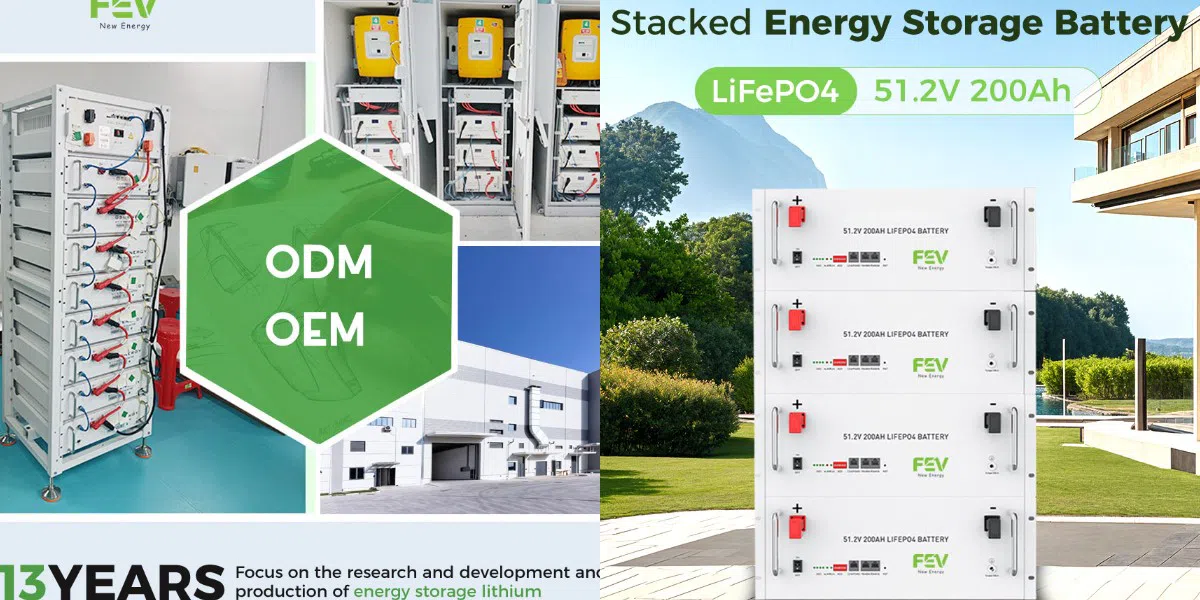
Application Scenarios
Data Center & Server Room Backup: Trigger fast UPS‑compliant standby power upon grid failure to safeguard critical server infrastructure.
Factory & Commercial Peak Shaving: Store inexpensive off‑peak grid electricity for release during high‑cost peak windows, lowering demand‑charge and monthly utility expenditure.
Rooftop PV Energy Storage: Lift on‑site photovoltaic self‑consumption ratios and make full use of rooftop solar generation output.
Communication Base Station: Provide round‑the‑clock standby power to sustain telecommunication network hardware.
Microgrid & Off‑grid Industrial Site: Pair with solar arrays and diesel generators to deliver dependable independent power for geographically‑isolated industrial installations.
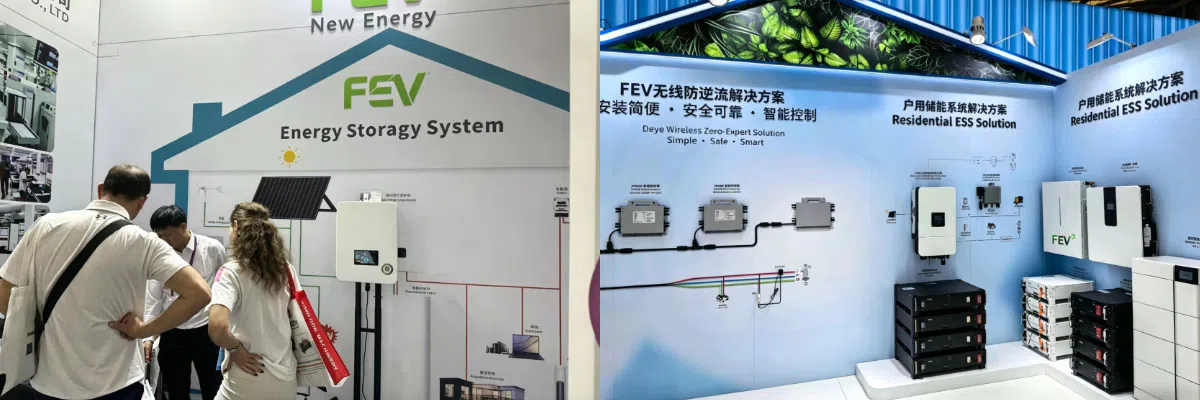
Product Features
19‑inch standard rack footprint Compatible with mainstream server racks and widely deployed inverter and UPS hardware.
Modular parallel‑expandable setup Multiple battery units may connect in parallel; scale power and energy capacity step‑by‑step matching evolving project needs.
Energy‑storage‑optimised LiFePO4 cell groups High inherent safety rating, 6000+ deep cycles, restrained capacity fade, built for daily cyclic commercial‑industrial use.
Intelligent BMS with CAN / RS485 interfaces Cell‑oriented safety safeguards, supports data interconnection with EMS and PCS equipment.
Low self‑discharge and tight cell consistency Optimised for scenarios requiring lengthy standby power readiness.
Sealed maintenance‑free mechanical design No liquid refilling or recurring manual inspection tasks required.
Industrial‑grade wide‑temperature capability Deliver dependable performance across diverse, demanding industrial‑site environmental circumstances.
Specifications Capacity
Voltage and capacity parameters can be adjusted to satisfy unique project‑specific requirements
FAQ
Q1: Is parallel interconnection supported for these rack‑mounted battery units?
A1: Yes, multi‑unit parallel linking is available to raise overall storage capacity. Our engineering resources can provide configuration guidance for large‑scale parallel deployments.
Q2: What data communication interfaces does this battery system feature?
A2: CAN and RS485 ports are integrated, offering compatibility with most mainstream PCS inverters on global markets.
Q3: What warranty protection applies for the battery modules?
A3: The battery modules come with a 10‑year manufacturer warranty.
Q4: Can this rack‑mounted battery work within UPS standby architectures?
A4: Yes, it serves as a well‑suited storage core for UPS standby systems deployed in data‑centre‑related infrastructure.
Q5: Do you offer customised voltage and capacity specifications?
A5: OEM specification customisation for voltage and capacity is available to align with individual project tender requirements.
Q6: How complex is on‑site installation work?
A6: Installation follows standard rack‑mount workflows; units slot directly into rack bays. Complete installation documentation is provided with each shipment.


